

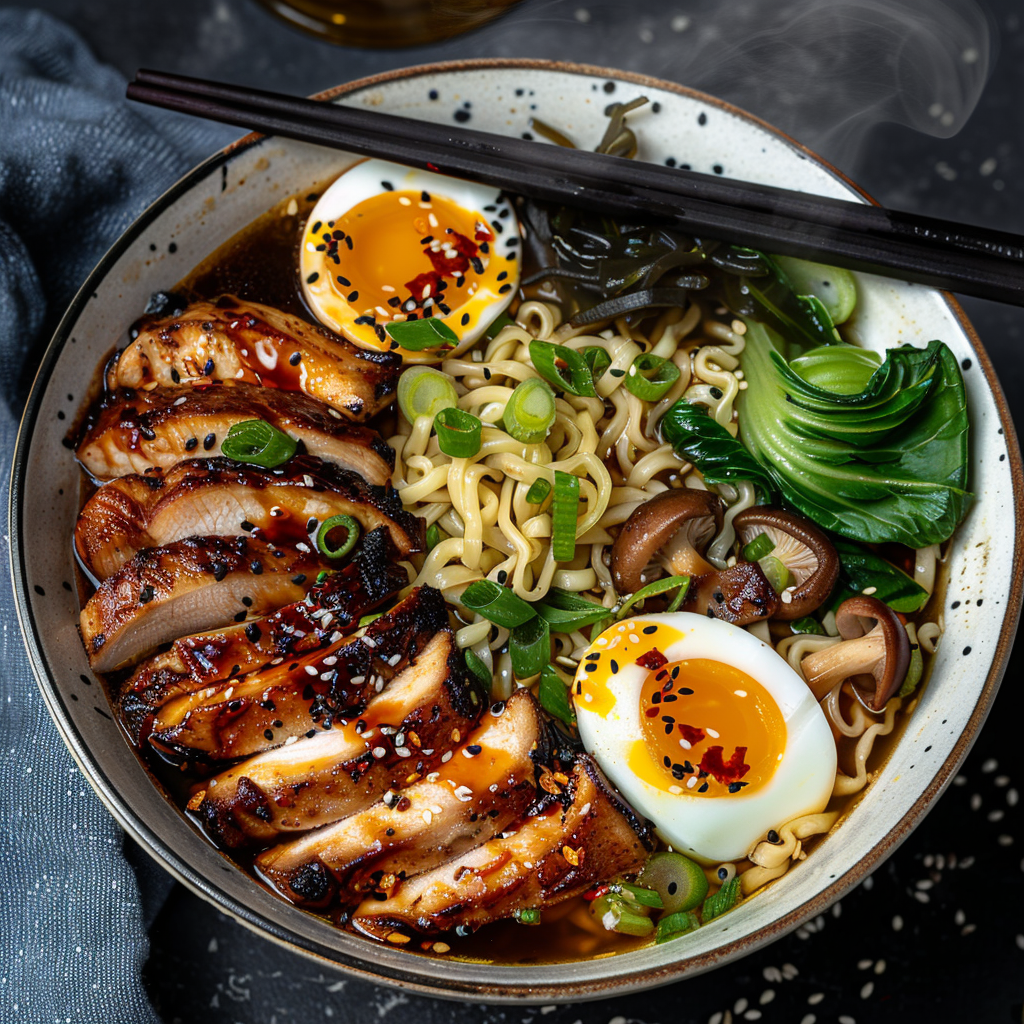
If you’re searching for homemade ramen that actually tastes like it came from a ramen shop, not just upgraded instant noodles you’re in the right place. A truly great bowl of homemade ramen isn’t about tossing ingredients into broth and hoping for the best. It’s about layering flavor, building depth, and balancing salt, fat, and umami so every bite feels intentional.
The good news? You don’t need to simmer bones for 12 hours to make incredible ramen broth at home. With the right technique, a few key ingredients, and smart flavor-building, you can create rich, comforting homemade ramen that’s both authentic and achievable.
In this guide, you’ll learn how to build a deeply flavorful ramen broth, choose the right noodles, layer umami properly, and assemble a bowl that feels restaurant-worthy, whether you want a quick weeknight version or a more traditional method.
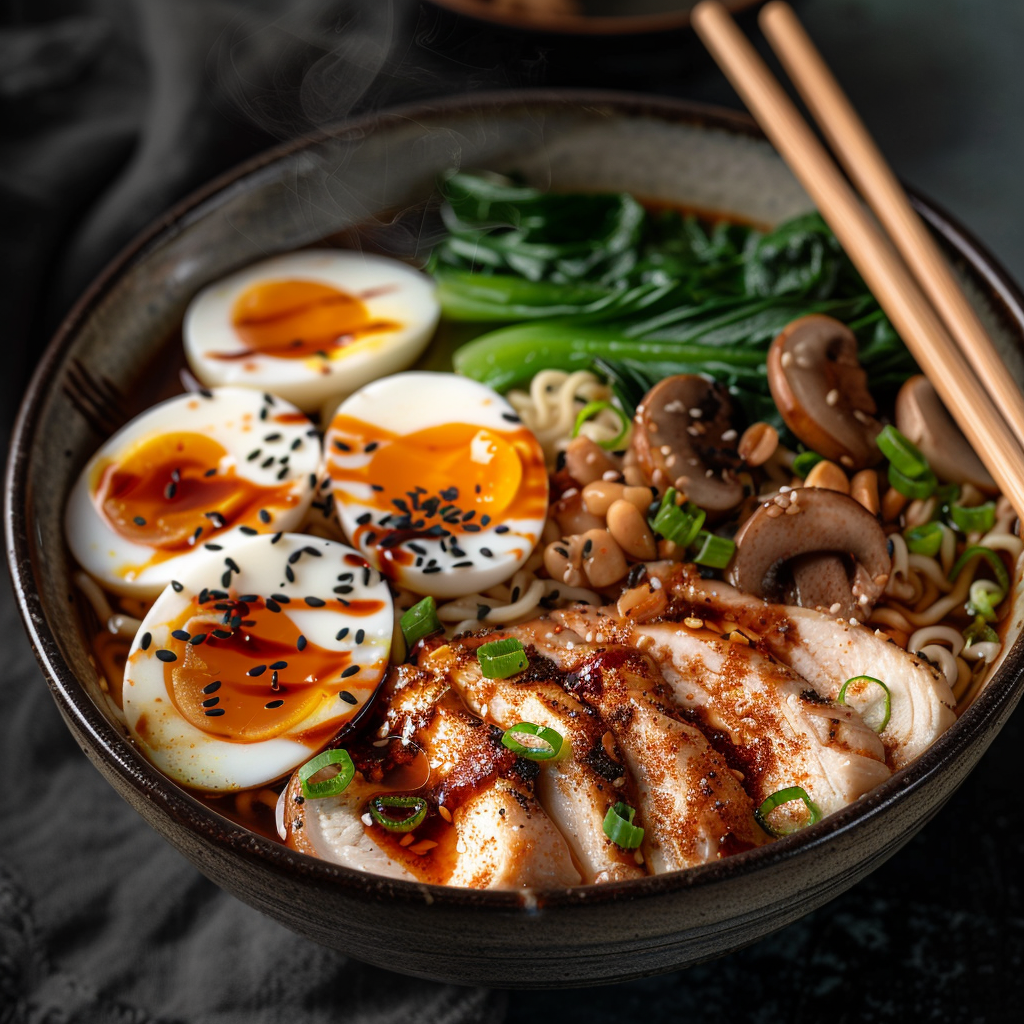
Homemade Ramen
Ingredients
Method
- In a large pot, sauté garlic and ginger for 1–2 minutes.
- Add broth, dried mushrooms, and green onions. Simmer for 20–30 minutes.
- Stir in soy sauce and adjust seasoning.
- In a small bowl, mix soy sauce, mirin, sugar, and miso paste to create the tare.
- Cook ramen noodles according to package instructions. Drain well.
- Add 1–2 tablespoons tare to each serving bowl.
- Pour hot broth over tare and stir gently.
- Add noodles to the bowl.
- Top with sliced chicken or pork, soft-boiled eggs, green onions, and chili oil.
- Serve immediately.
Notes
- Store broth separately from noodles to prevent sogginess.
- Add extra soy sauce or chili oil for stronger flavor.
- For vegetarian ramen, use vegetable broth and tofu instead of meat.
Table of Contents
The Three Most Popular Ramen Broth Styles
- Shoyu ramen – Soy sauce-based, clear brown broth with a savory, balanced taste
- Miso ramen – Slightly thicker broth with fermented depth and mild sweetness
- Tonkotsu ramen – Creamy, pork bone broth simmered until milky and rich
If you’re new to homemade ramen, shoyu or miso are more achievable at home. Tonkotsu is incredible, but let’s be honest, it’s a commitment.
What Actually Defines Authentic Flavor?
Authentic homemade ramen isn’t about complexity. It’s about intention:
- A well-seasoned broth (not just salted stock)
- Balanced umami from soy sauce, miso, mushrooms, or kombu
- Proper noodle texture (never mushy)
- Fresh toppings added at the right moment
Ingredients
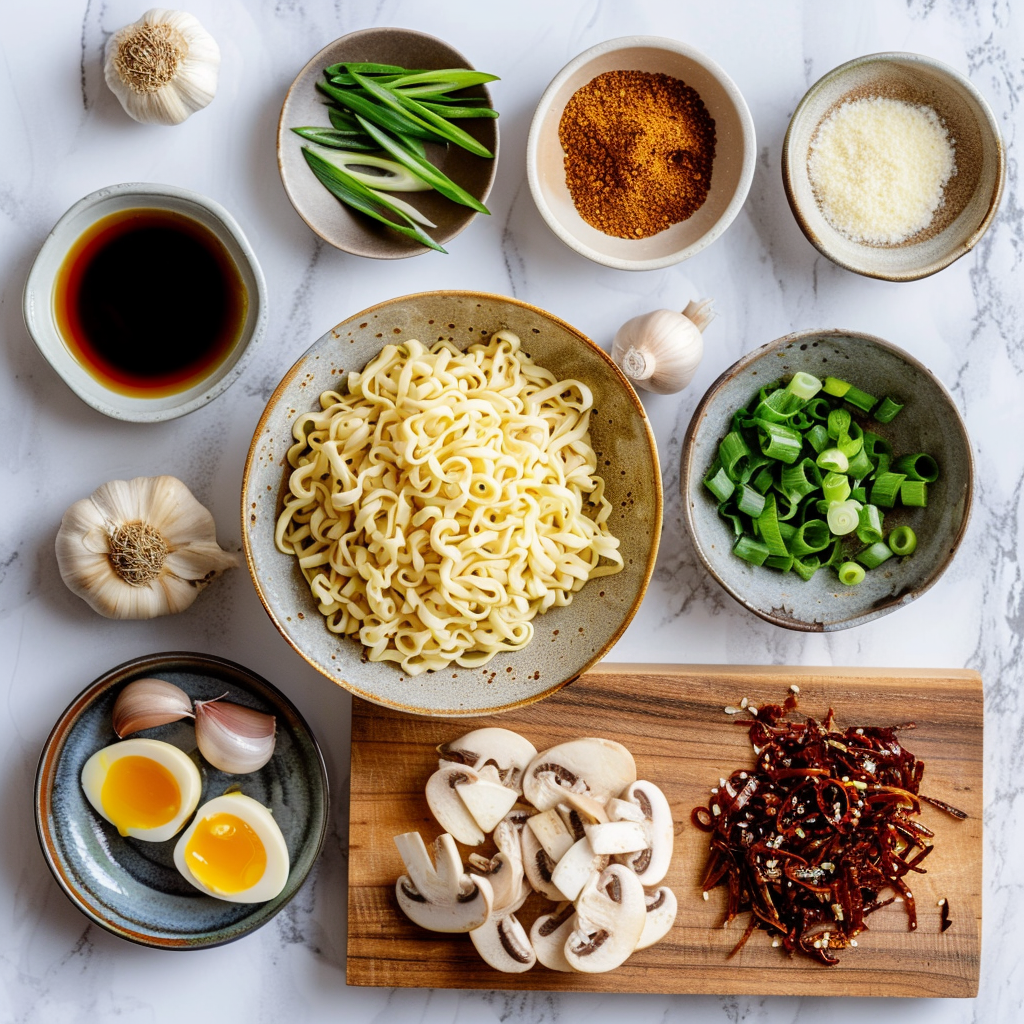
A strong homemade ramen recipe starts with smart ingredient selection. You don’t need rare imports, but you do need purpose.
For a classic shoyu-style homemade ramen, you’ll need:
For the Broth:
- Chicken broth or pork broth
- Garlic and ginger
- Green onions
- Dried mushrooms (for umami boost)
- Soy sauce
For the Tare (Seasoning Base):
- Soy sauce
- Mirin
- A small amount of sugar
- Optional: miso paste
For the Bowl:
- Fresh ramen noodles
- Soft boiled egg
- Sliced chicken or pork
- Green onions
- Chili oil (optional)
The mistake most people make with homemade ramen is skipping the mushrooms or aromatics. Those ingredients quietly add depth that makes the ramen broth taste “restaurant-level.”
Ingredient Substitutions
- No fresh ramen noodles? Use dried ramen (discard seasoning packet).
- Vegetarian? Use vegetable broth + miso + kombu.
- Low-carb? Try zucchini noodles (though texture differs).
How to Make Ramen at Home Step by Step
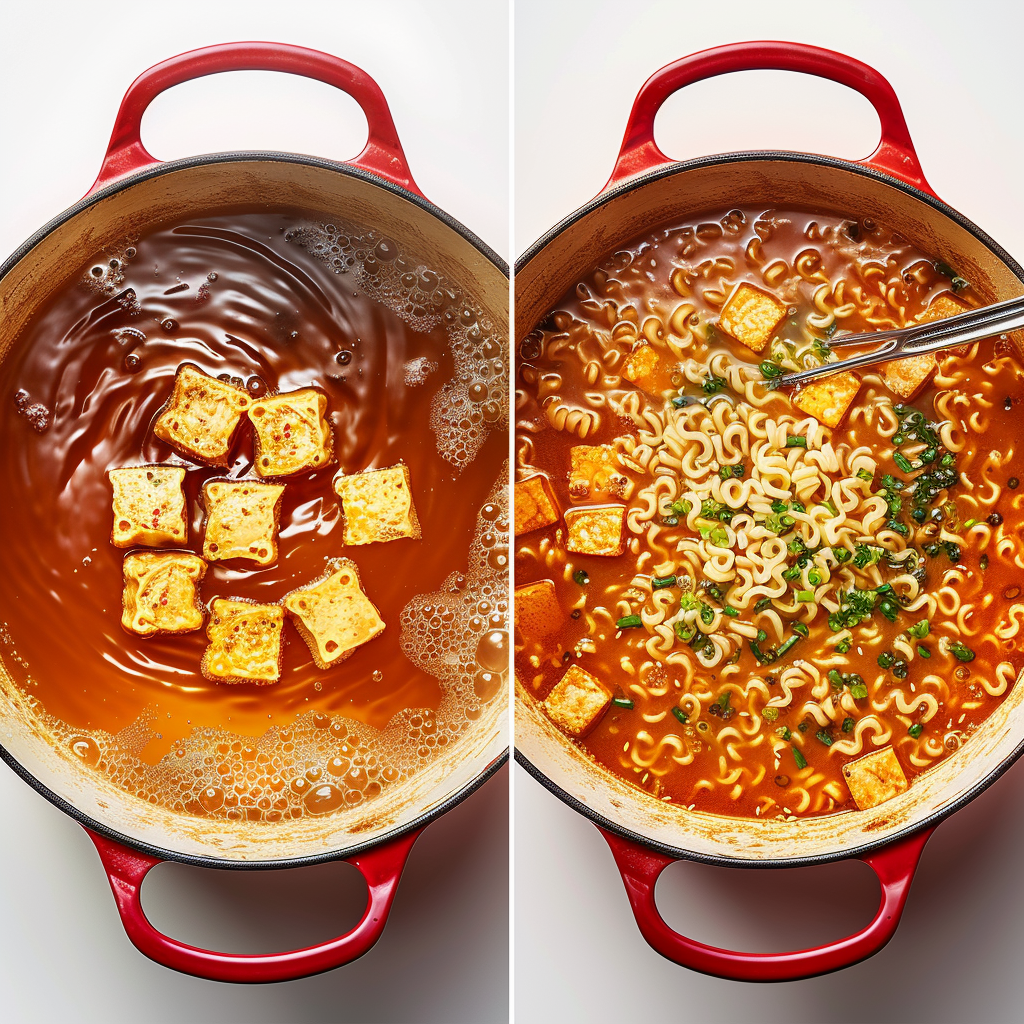
Making homemade Recipe ramen becomes simple once you break it down.
Step 1: Build the Ramen Broth
In a large pot:
- Sauté garlic and ginger in a bit of oil.
- Add broth, mushrooms, and green onions.
- Simmer 20–30 minutes.
- Stir in soy sauce and a splash of mirin.
Taste as you go. If it tastes slightly too salty on its own, that’s okay noodles will balance it.
Step 2: Prepare the Noodles
Cook ramen noodles separately according to package directions. Drain immediately. Never let noodles sit in water, they’ll lose their springy texture.
Step 3: Assemble the Bowl
- Add tare to the bowl.
- Pour hot ramen broth over it.
- Add noodles.
- Top with protein, soft boiled egg, and green onions.
- Finish with a drizzle of chili oil or sesame oil.
The order matters. That’s what keeps homemade ramen structured instead of chaotic.
Why Your Homemade Ramen Might Taste Bland
If your homemade ramen tastes flat, it’s rarely because of the broth alone.
Common causes:
- Not enough salt (ramen needs bold seasoning)
- Missing fat (add a touch of sesame oil)
- Lack of umami boosters (mushrooms, miso, soy sauce)
- Over-diluted broth
A quick fix? Add a teaspoon of soy sauce and a few drops of sesame oil directly into your bowl. Taste again. You’ll likely notice immediate improvement.
Easy 30-Minute Homemade Ramen Version
Short on time? You can still make flavorful homemade ramen quickly.
Use high-quality store-bought chicken broth. Boost it with:
- Garlic
- Ginger
- Soy sauce
- Miso paste
- Mushrooms
Simmer for 20 minutes. It won’t be traditional tonkotsu ramen, but it will be deeply satisfying.
This version is perfect for weeknights when you want comfort food without the wait.
Ramen Toppings That Elevate Flavor
Toppings transform homemade ramen from basic to memorable.
Popular choices:
- Soft boiled egg
- Sliced chashu pork
- Grilled chicken
- Bamboo shoots
- Corn (popular in miso ramen)
- Chili oil
Texture contrast matters. Crunchy + soft + rich makes every bite interesting.
How to Store and Meal Prep Ramen
Meal prepping homemade ramen requires separation.
- Store broth separately (refrigerate up to 4 days)
- Cook noodles fresh
- Keep toppings refrigerated
- Freeze broth up to 3 months
Never store noodles in broth. They absorb liquid and turn mushy.
Conclusion
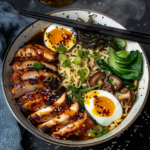
Making Homemade Recipe Ramen might seem intimidating at first, but once you understand how ramen broth, tare, noodles, and toppings work together, everything changes. You move from following a recipe to controlling flavor.
Whether you choose a quick 30-minute version or experiment with deeper broth techniques, the key is balance salt, fat, and umami working in harmony.
And once you’ve made homemade ramen from scratch? It’s hard to go back to the packet.
FAQs
What is the secret to great homemade Noodles ramen?
The secret to great homemade ramen is layering flavor. Instead of relying on broth alone, use a seasoning base (tare), an aromatic oil, and balanced toppings to create depth and complexity.
Can I make homemade ramen vegetarian?
Yes. Use vegetable broth, miso paste, soy sauce, mushrooms, and kombu to build deep umami flavor without meat.
How long should ramen broth simmer?
For a quick homemade ramen, 20–30 minutes works. For deeper flavor, simmer up to 1–2 hours. Tonkotsu-style broth requires much longer.
How do I add more umami to ramen?
Add miso paste, dried mushrooms, kombu, soy sauce, or a small splash of fish sauce to deepen umami flavor in homemade ramen.
Is quick ramen still authentic?
It may not follow traditional long-simmer methods, but with proper seasoning and balance, it can taste authentic and satisfying.
What protein is best for homemade ramen?
Chashu pork is traditional, but chicken, tofu, or even thinly sliced beef work beautifully.
Can I freeze ramen broth?
Yes. Homemade ramen broth freezes well for up to 3 months. Thaw overnight in the fridge before reheating.